By: Michelle K. Berry

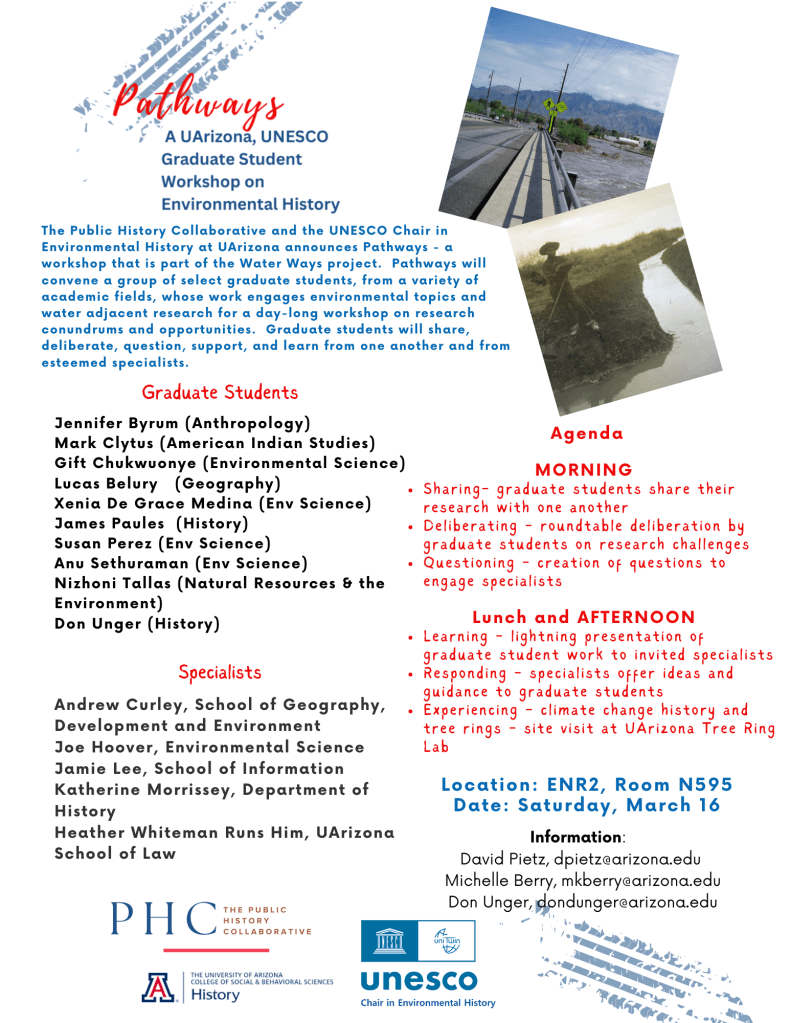
In the Spring of 2024, the Public History Collaborative hosted two events celebrating the importance of water consciousness in arid spaces, specifically in the American Southwest.
The first event was a by- invitation workshop that brought select graduate students from a variety of academic fields together for a day-long conversation on research conundrums and opportunities. The graduate students shared their work which engaged environmental topics and water-adjacent research. During the day, participants deliberated, questioned, supported, and learned from one another and from esteemed specialists.
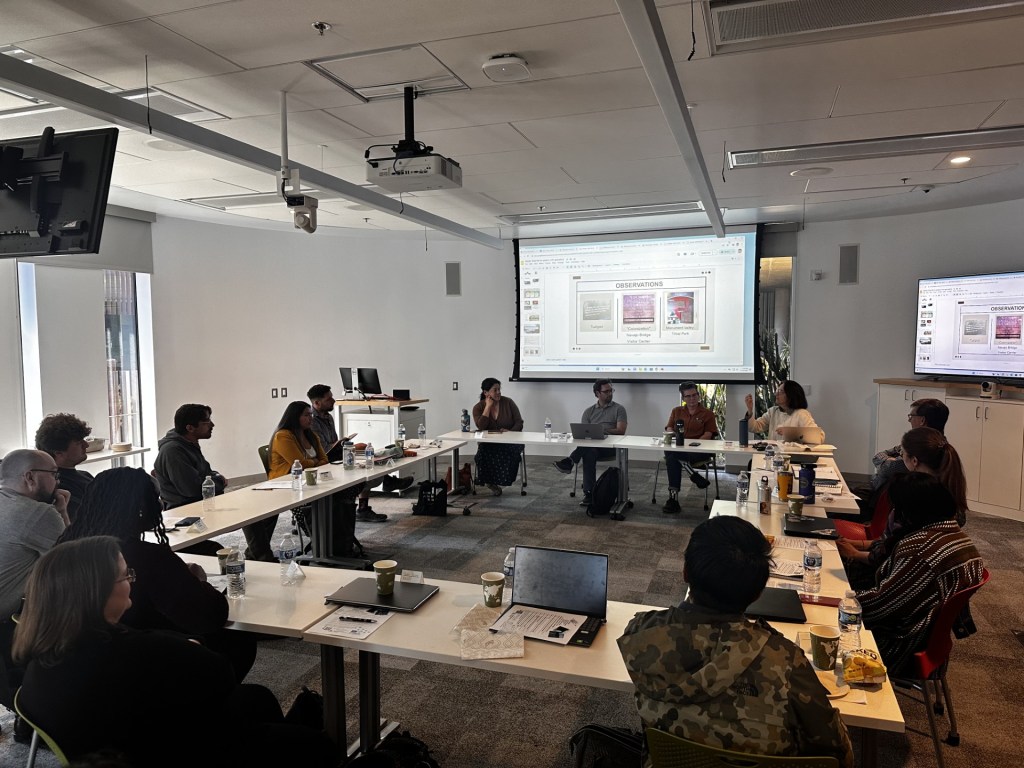
In a student-centered morning session, the graduate students conversed with one another about their research hopes and challenges.
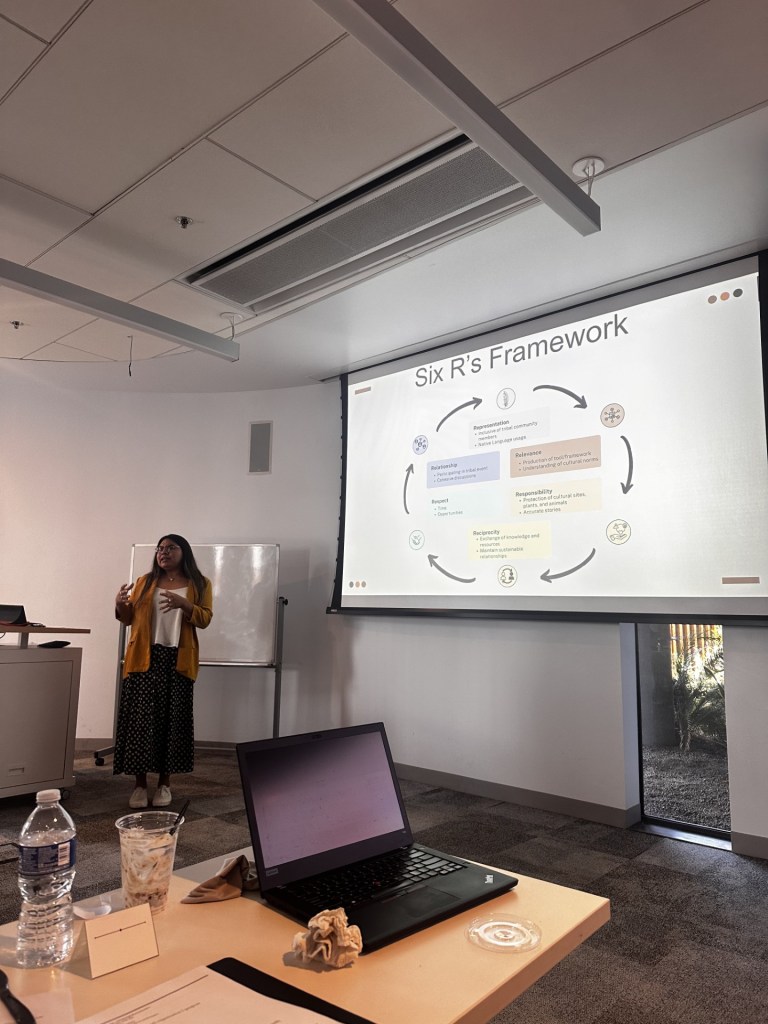
Photo by: Michelle K. Berry
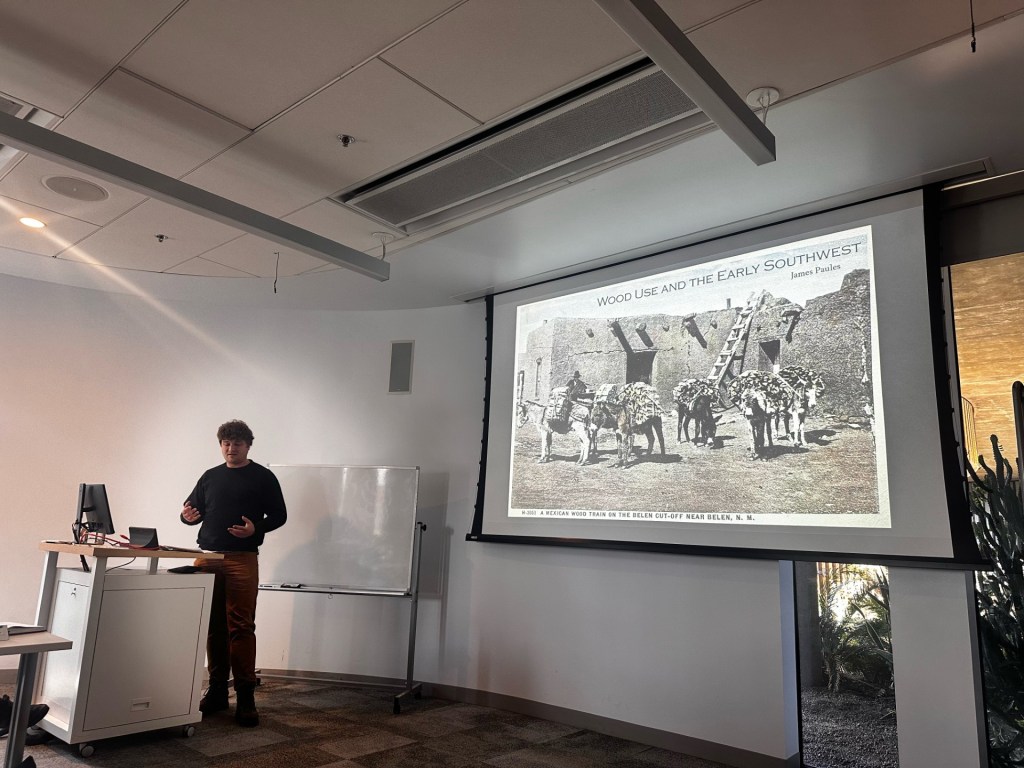
Photo by: Michelle K. Berry
In the afternoon a panel of experienced specialists joined the group to offer ideas and insights regarding inclusive research best practices.
100% of the graduate student participants reported on an anonymous post-workshop survey that they benefited immensely from convening with colleagues with similar interests but expertise in diverse fields.
Comments from participants (edited for clarity):
“The workshop was a great opportunity to openly discuss topics that crosscut our research. In particular, the questions around how to do community-based work or work that translated into application on the ground as a graduate student was interesting as it did carry through much of our work. It was also overall helpful to get to know more graduate students across the university working in related topical areas.”
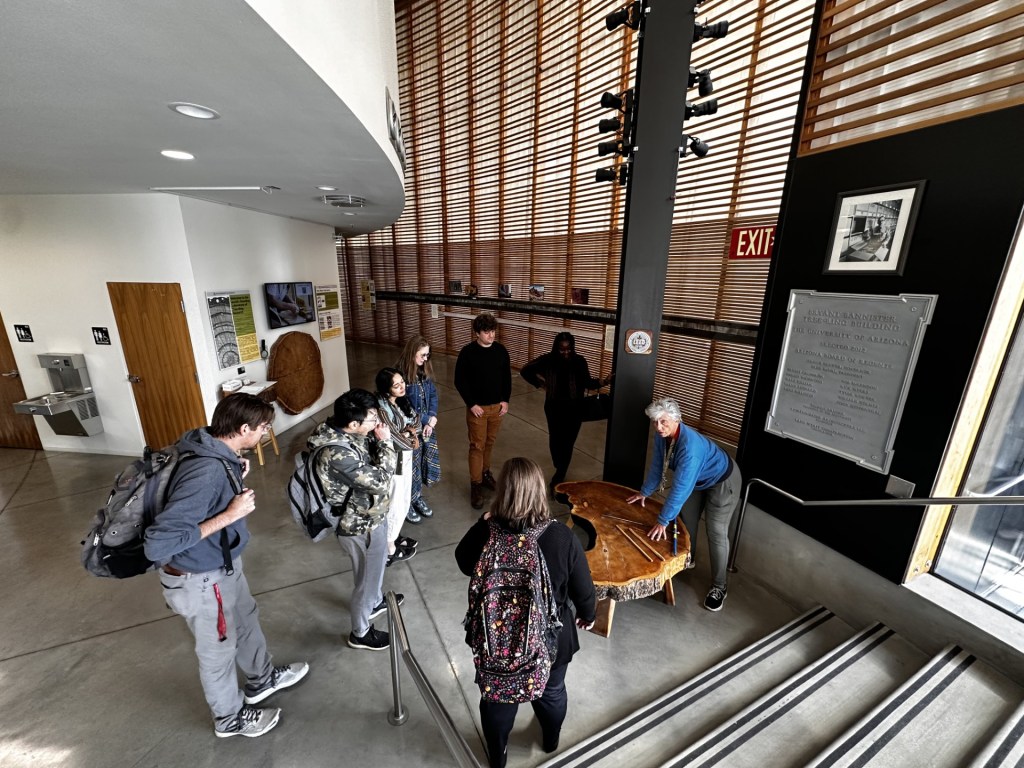
“Thank you for inviting me to participate! It was a great day for me, getting to hear the work being done by such different departments and how it was still all related! Beautiful!!! It was particularly beneficial to me to hear the perspective on the difference between doing outreach and finding local collaborators. And thank you for the field trip, I’ve been wanting to go on the tree ring tour!”
“I really appreciated the different outlooks that I left with, in particular the highlighting of the element of more-than-human. I also appreciated the opportunity to dive deeply into the history of the region that I’m studying.”
Special thanks to Don Unger for all of his work in organizing the workshop.
For information about the second component of Water Ways, see the blog post “Water Ways: Part 2.”


 snapshots
Leave a comment